Your Cart is Empty


Coffee is 98% water, yet most home brewers overlook this critical ingredient. While premium beans and precise brewing methods matter, the wrong water can completely undermine your efforts. The secret to exceptional coffee lies in achieving the perfect mineral balance—and that starts with choosing the right filtration system.
Water isn't just a vehicle for extracting coffee flavors—it's an active participant in the brewing process. Minerals like calcium and magnesium enhance the flavor profile of coffee beans, helping extract the complex compounds that give coffee its distinctive taste.
However, balance is everything. Too few minerals result in flat, under-extracted coffee that tastes hollow. Too many minerals create chalky, bitter brews that mask the coffee's true character. The ideal water composition has Total Dissolved Solids between 35-85 parts per million, with the right ratio of specific minerals.
Most tap water falls into two problematic categories: it's either too hard (mineral-rich) or contains treatment chemicals that interfere with flavor. Chlorine can impact extraction and intensify bitterness in your cup, while excessive calcium creates limescale buildup in your equipment.
The solution isn't as simple as buying any water filter. Different filtration technologies produce vastly different results, and understanding these differences is crucial for coffee quality.
BWT has established itself as a premium choice in the coffee industry with its patented magnesium mineralization technology. Unlike standard filters that simply remove contaminants, BWT actively optimizes water composition for coffee extraction.
How BWT's Technology Works:
BWT's five-stage filtration process removes limescale, chlorine, and contaminants while adding magnesium back into the water. The unique approach exchanges calcium for magnesium through ion exchange, creating water that enhances coffee aroma extraction and produces fuller-bodied espresso with more stable crema.
The Magnesium Advantage:
Magnesium acts as a flavor carrier that brings out subtle notes in coffee beans more effectively than calcium alone. Coffee professionals appreciate how this mineralization creates balanced water that prevents scale buildup while maintaining optimal extraction properties.
Product Range:
BWT offers solutions for different water conditions. The Bestmax Premium works well with moderately hard water, while the Bestmin Premium is designed specifically for soft water or reverse osmosis treated water, adding minerals back to prevent flat-tasting coffee. For businesses, the BWT bestbarista ROC Coffee system uses reverse osmosis with remineralization to create standardized water quality regardless of local water composition.
Best For:
Commercial establishments and serious home baristas who want professional-grade water optimization. The filters integrate directly into water lines for espresso machines and provide consistent results shot after shot.
ZeroWaterstands apart from conventional filters with its advanced five-stage ion exchange technology. The system removes virtually all dissolved solids, creating what coffee professionals call "empty water" with 0-5 TDS—a completely neutral base.
Why This Matters for Coffee Brewing:
Unlike standard carbon filters that simply reduce chlorine and some impurities, ZeroWater's filtration removes 99.6% of total dissolved solids including lead, PFAS, chromium, and contaminants that interfere with coffee flavor. This creates a blank canvas where you control exactly which minerals make it into your cup.
The ZeroWater Approach:
After filtration produces near-zero TDS water, you can add back precise amounts of minerals through specialized additives or by blending with small amounts of tap water. Championship baristas favor this method because it eliminates variables—you know exactly what's in your brewing water.
Equipment Protection:
Beyond flavor, ZeroWater prevents mineral buildup on coffee equipment, extending the life of expensive espresso machines and brewers. This makes it particularly valuable for serious home baristas with dual-boiler machines.
Best For:
Enthusiasts who want complete control over their water chemistry and are willing to take the extra step of remineralization for precision results.
Brita filters represent the most widely accessible filtration option, offering meaningful improvements over tap water without requiring significant investment or technical knowledge.
What Brita Does Well:
Brita's activated carbon filtration effectively removes chlorine, reduces some hardness minerals like calcium and magnesium, and filters out common taste and odor compounds. For many coffee drinkers, this represents the sweet spot between convenience and quality improvement.
The Reality Check:
While Brita filters improve taste by removing chlorine, they only partially remove hardness and shouldn't be relied upon for complete protection against scale buildup in espresso machines. Testing by coffee professionals shows Brita-filtered water produces noticeably better results than straight tap water, particularly for pour-over and drip methods.
Limitations to Consider:
Brita's granular activated carbon technology focuses primarily on chlorine removal rather than comprehensive mineral balancing. In areas with very hard water, the filters may not reduce mineral content enough to fully protect equipment or optimize extraction. Some users report occasional charcoal specks in filtered water, though letting water settle in a clear container addresses this issue.
The Mineralization Option:
For regions with very soft water, Brita offers the PURITY C500 MinUp, which actually adds minerals back to prevent overly acidic, flat-tasting coffee. This demonstrates Brita's recognition that great coffee requires balanced mineral content, not just clean water.
Best For:
Home brewers seeking affordable, straightforward improvement over tap water. Particularly effective for filter coffee methods like French press and drip where full equipment protection isn't as critical as flavor enhancement.
Each major brand represents a distinct philosophy about water optimization:
BWT prioritizes active enhancement through magnesium mineralization, making it ideal for those who want their filter to both remove contaminants and optimize extraction in one step. The technology particularly benefits espresso brewing where mineral composition dramatically affects crema and body.
ZeroWater champions complete control by stripping everything out and letting you build water from scratch. This appeals to precision-focused coffee enthusiasts who want to experiment with different mineral profiles or maintain consistent results despite seasonal tap water variations.
Brita emphasizes practical convenience by improving water quality enough for most coffee applications without requiring technical knowledge or significant investment. It makes good coffee better, even if it doesn't achieve the optimization that professionals demand.
Before choosing a filtration system, test your tap water's characteristics. Water hardness varies dramatically by region—some areas have naturally soft water that needs mineralization, while others have extremely hard water requiring aggressive filtration.
A simple TDS meterreveals your total dissolved solids, while hardness test strips identify calcium and magnesium concentrations. This baseline information determines which filtration approach makes sense for your situation.
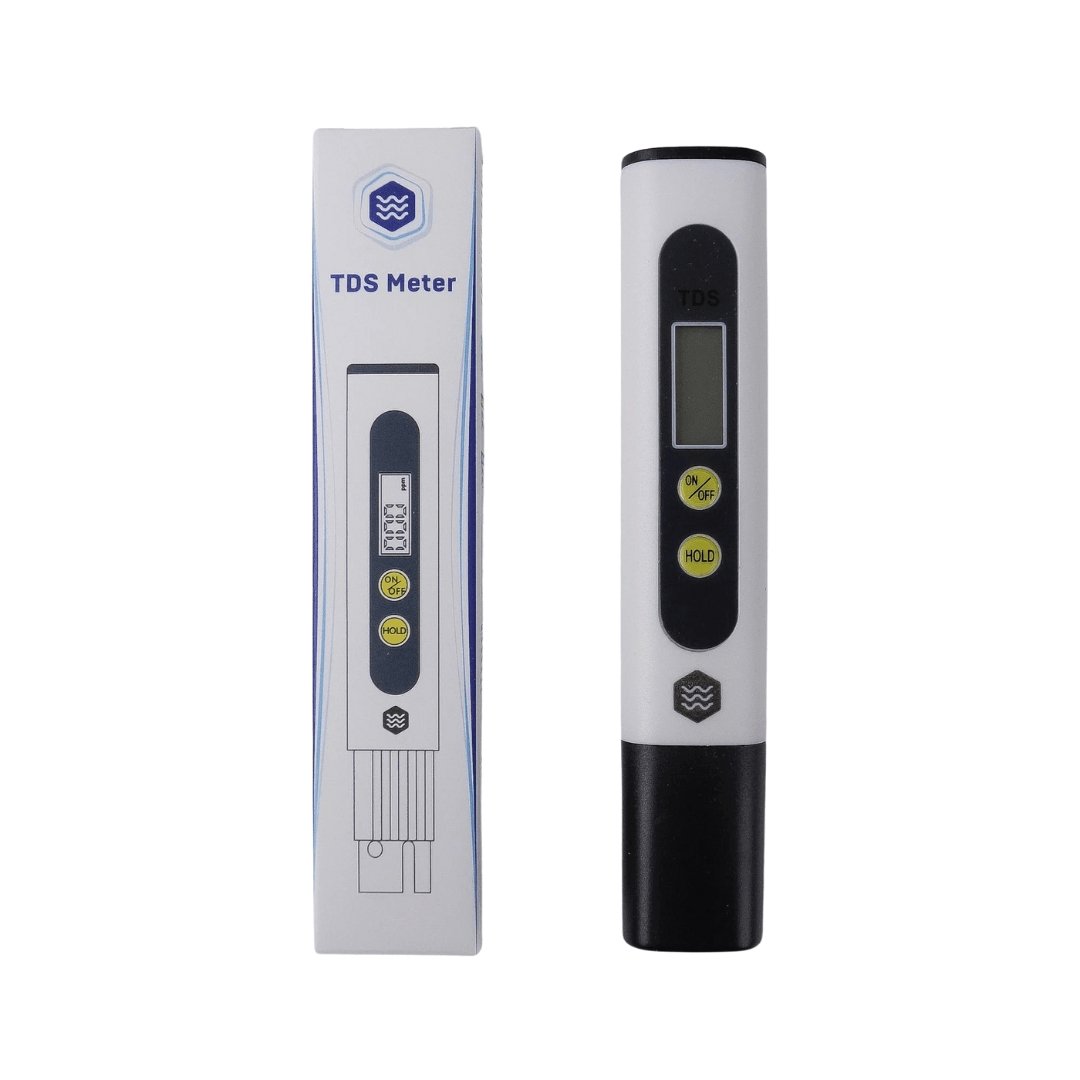
For instance, if your tap water tests at 300+ TDS with high hardness, BWT or ZeroWater makes sense for equipment protection. If you have moderately hard water around 100-150 TDS, Brita might provide sufficient improvement for daily brewing.
Here's where it gets interesting: rather than relying solely on your filter's mineral output, you can take complete control by starting with ultra-pure water and adding back exactly what you need.
The Perfect Pairing:
Third Wave Water mineral packets work with any near-zero TDS water source—whether from ZeroWater, reverse osmosis systems, or distilled water. This approach eliminates the guesswork that comes with filtered tap water where existing minerals interfere with optimal balancing.
Why Professional Baristas Prefer This Method:
Starting with empty water ensures consistency regardless of seasonal variations in municipal supply. The proprietary blend raises mineral content and TDS to Specialty Coffee Association standards without artificial additives, with distinct formulations optimized specifically for espresso versus filter coffee.
Complementing Other Systems:
Third Wave Water doesn't compete with filtration systems—it completes them. BWT users might appreciate the precision control for single-origin coffees. ZeroWater naturally pairs with mineral additions since it produces the ideal starting point. Even Brita users in soft water areas can add minerals after filtration for better extraction.
Regardless of which system you choose, measuring TDS ensures consistency. A TDS meter included with systems like ZeroWater tracks mineral content for every brew, letting you maintain optimal levels.
For best results, aim for around 50 ppm TDS for filter coffee. Espresso often benefits from slightly higher mineral content for better body and crema stability. The beauty of modern filtration options is that you can dial in your preferences through testing and adjustment.
Consider the ongoing investment when choosing a filtration system. Brita cartridges cost roughly $8-10 and last 40 gallons, making them economical for moderate coffee consumption. BWT inline cartridges range from $50-100 depending on capacity and must be replaced based on water volume processed. ZeroWater filtersrun $15-20 and need more frequent replacement in hard water areas.
Professional systems like BWT's inline filters require periodic cartridge changes but protect expensive equipment, potentially saving thousands in repair costs. The calculation shifts when you consider that a single espresso machine descaling service might cost $200-300.
Water filtration for coffee isn't about finding one "best" system—it's about matching technology to your specific needs, water quality, and brewing style. BWT offers professional-grade optimization with active magnesium mineralization. ZeroWater provides ultimate control for precision enthusiasts. Brita delivers accessible improvement for daily enjoyment.
The common thread? All these systems recognize that great coffee demands more than just clean water—it requires water with the right mineral composition to unlock the complex flavors you paid premium prices to enjoy. Whether you choose comprehensive filtration with built-in mineralization or prefer starting with empty water and adding minerals back precisely, taking control of your water transforms good home brewing into genuinely exceptional cups.
Start by testing your current water's TDS and tasting your coffee critically. The improvement from optimized water often surprises even seasoned coffee enthusiasts, revealing flavors and clarity that were always in your beans but never fully expressed until now.
Ready to take control of your coffee water? Whether you choose BWT's professional mineralization, ZeroWater's precision control, Brita's practical improvement, or complement any system with Third Wave Water minerals, the right approach to water will elevate every cup you brew.