Your Cart is Empty


If you've ever wondered why the same coffee beans taste dramatically different at home compared to your favorite café, the answer often lies in water. The Specialty Coffee Association (SCA) water standard provides the scientific blueprint for achieving consistently exceptional coffee, and understanding it can transform your home brewing experience.
The Specialty Coffee Association represents the world's largest coffee trade organization, uniting professionals across the entire coffee value chain from farmers to baristas and roasters. Founded on principles of openness, inclusivity, and shared knowledge, the SCA's mission centers on making coffee better by raising standards worldwide through collaborative and progressive approaches.
The organization dedicates itself to building an industry that is fair, sustainable, and nurturing for everyone involved in specialty coffee. Through research, education, events, and standardization, the SCA provides value and connectivity to the growing global coffee community, encompassing thousands of members spanning the globe.
The SCA water standard establishes specific parameters for brewing water based on decades of research into consumer preferences and scientific analysis of extraction chemistry. These standards emerged from studies dating back to the 1960s that identified exactly what water characteristics consistently produce excellent coffee.
Remarkably, when researchers repeated these studies over subsequent decades, they found that consumer preferences remained consistent across time and cultures. This universality confirms that the SCA water standards represent fundamental truths about coffee extraction rather than temporary trends or regional preferences.
The standards cover six critical water characteristics that impact both flavor quality and equipment protection. Each parameter plays a distinct role in creating the optimal environment for coffee extraction while preventing damage to brewing equipment.
1. Total Dissolved Solids (TDS): 75-250 ppm
Total dissolved solids measure all minerals and substances dissolved in water. The SCA recommends water with a total dissolved solids level of 75-250 ppm for the best flavor, with 150 ppm as the optimal target.
This range prevents water from being either too soft or too hard, both conditions that negatively impact coffee extraction. Water with fewer than 75 ppm dissolved solids lacks sufficient minerals to properly extract flavor compounds from coffee grounds, resulting in flat, hollow-tasting brews. Conversely, water exceeding 250 ppm contains excessive minerals that create chalky, bitter flavors while accelerating equipment damage through scale formation.
2. Calcium Hardness: 50-175 ppm (as CaCO₃)
Calcium hardness specifically measures calcium and magnesium content expressed as calcium carbonate equivalents. These minerals directly participate in extracting flavor compounds from coffee through chemical bonding.
Calcium provides creamy body and enhanced mouthfeel in finished coffee, while magnesium excels at extracting fruity, acidic notes and increasing perceived sweetness. The ideal balance allows both minerals to contribute their unique extraction properties without overwhelming the cup.
3. Total Alkalinity: 40-70 ppm (as CaCO₃)
Alkalinity measures water's buffering capacity—its ability to neutralize acids. Coffee naturally contains various acids that contribute brightness and complexity to the cup. Maintaining alkalinity between 75 and 250 mg/L helps balance mineral content, though the specific SCA recommendation sits at 40-70 ppm.
Proper alkalinity creates stable extraction conditions while preventing overly acidic, harsh coffee. Too little alkalinity allows coffee acids to dominate, creating sour, unbalanced cups. Excessive alkalinity neutralizes desirable coffee acids, producing flat, dull brews lacking brightness and vibrancy.
4. pH Level: 6.5-7.5 (Target: 7.0)
The pH scale measures acidity versus alkalinity, with 7.0 representing perfect neutrality. The SCA recommends water with a neutral pH around 7 and a total dissolved solids level of 75-250 ppm for the best flavor.
Neutral pH ensures water neither adds unwanted acidity nor excessive alkalinity to coffee. pH outside the acceptable range typically indicates mineral imbalances that affect extraction chemistry and taste. Water below 6.5 pH can contribute metallic flavors and accelerate corrosion of brewing equipment. Water above 7.5 pH tends to produce flat, over-extracted coffee.
5. Odor: Clean, Fresh, Free from Chlorine
Water must be completely free from detectable odors, particularly chlorine which is commonly used in municipal water treatment. Chlorine imparts a "swimming pool" odor and diminishes the natural aroma of coffee.
Even trace amounts of chlorine interfere with coffee's delicate aromatic compounds, masking subtle flavor notes and creating unpleasant chemical tastes. Chlorine also degrades machine seals and gaskets over time, causing leaks and component failures.
6. Color: Crystal Clear with No Turbidity
Water should be visually clear and colorless. Any cloudiness, discoloration, or visible particles indicate contamination that will negatively impact coffee quality and potentially damage equipment.
Clarity serves as an immediate visual indicator of water purity. Turbidity suggests the presence of suspended solids, organic matter, or microbial contamination—all of which introduce off-flavors and interfere with proper extraction.
The SCA water parameters aren't arbitrary—they represent the convergence of flavor optimization and equipment protection. Each specification balances multiple considerations to create water that consistently produces excellent coffee while extending brewing equipment lifespan.
For Flavor Quality:
Minerals in the 75-250 ppm TDS range provide sufficient extraction power to pull flavorful compounds from coffee grounds without introducing chalky, bitter tastes. This range allows coffee's inherent characteristics to shine through clearly.
The calcium-magnesium balance within the hardness specification ensures both body and brightness appear in the cup. Different ratios within the acceptable range let brewers emphasize different flavor aspects, with higher calcium favoring body and higher magnesium highlighting acidity.
For Equipment Protection:
Total hardness below 175 ppm prevents rapid limescale formation that clogs water lines, coats heating elements, and damages pumps and valves. Scale buildup dramatically reduces equipment efficiency and lifespan.
Alkalinity in the 40-70 ppm range provides enough buffering to prevent corrosive conditions without creating excessive scale when water is heated. This protects stainless steel, copper, and aluminum components from both corrosion and mineral deposits.
Understanding why the SCA water standard matters requires grasping how water interacts with coffee during brewing. Water doesn't simply dissolve coffee compounds—it actively participates in extraction through complex chemical interactions.
Mineral Binding:
Calcium and magnesium ions in water form chemical bonds with flavor molecules in coffee. These bonds facilitate the transfer of compounds from solid coffee grounds into liquid brew. Without sufficient minerals, extraction remains incomplete, leaving desirable flavors locked in the grounds.
Research demonstrates that magnesium shows particularly strong binding affinity for coffee flavor compounds, making it exceptionally effective at extraction. This explains why water with balanced magnesium content often produces brighter, more complex coffee than water dominated by calcium.
Temperature and Solubility:
The SCA standard assumes proper brewing temperatures between 195-205°F (92-96°C). At these temperatures, water's ability to dissolve coffee compounds increases dramatically. However, mineral content affects how temperature influences extraction.
Water with appropriate mineral levels maintains stable extraction rates across the brewing temperature range. Extremely soft water may over-extract at higher temperatures, while very hard water can under-extract even at optimal temperatures.
Acid Buffering:
Coffee contains numerous organic acids including citric, malic, and chlorogenic acids. These contribute brightness, complexity, and perceived sweetness. Water's alkalinity determines how these acids behave in the finished cup.
Insufficient alkalinity allows acids to remain strong and harsh, creating sour, astringent flavors. Excessive alkalinity neutralizes acids completely, producing flat, lifeless coffee lacking vibrancy. The SCA's 40-70 ppm alkalinity range preserves desirable acidity while preventing harshness.
While the core SCA water standard applies broadly to coffee brewing, recent research reveals that espresso preparation benefits from modified parameters due to its unique extraction conditions.
The Beverage Ratio Factor:
Filter coffee typically uses a beverage ratio around 14.6, while espresso uses a much tighter ratio around 2. This means espresso uses far less water per gram of coffee, fundamentally changing how water chemistry impacts the cup.
Because espresso uses such concentrated brewing ratios, only 10% of the alkalinity is available to buffer coffee acids when compared to filter coffee preparations. This discovery suggests espresso can tolerate higher alkalinity levels than filter coffee without dulling acidity or brightness.
Adjusted Espresso Parameters:
Research into espresso-specific water suggests optimal parameters differ slightly from the general SCA standard. For espresso preparations, alkalinity can be as high as 150 ppm while total hardness can drop as low as 20 ppm without compromising extraction quality.
However, this expanded range must still avoid creating conditions that promote heavy scale formation. The technically safe zone balances flavor optimization against equipment protection, acknowledging that espresso machines face particularly severe scaling risks due to constant high temperatures.
Determining whether your water meets SCA standards requires testing for the specific parameters outlined in the standard. Several approaches offer varying levels of precision and comprehensiveness.
Home Testing Options:
Water hardness test strips provide quick assessment of total hardness and alkalinity. These inexpensive strips deliver results within 60 seconds, giving general guidance about whether water falls within acceptable ranges. While not laboratory-precise, they adequately indicate if significant adjustments are needed.
Digital TDS meters measure total dissolved solids through electrical conductivity testing. These devices cost $15-40 and provide more accurate readings than test strips. However, TDS meters measure all dissolved substances, not just the specific minerals that matter for coffee, so they offer general rather than detailed guidance.
pH test strips or Third wave water digital pH meters reveal whether water sits within the neutral range required by the SCA standard. Digital meters offer greater precision but cost more than strips. Either option effectively identifies pH problems that need correction.
Professional Water Analysis:
Comprehensive laboratory testing provides detailed breakdown of all minerals, contaminants, and chemical characteristics. Many municipalities offer free or low-cost water quality reports that include most parameters relevant to the SCA standard.
Private laboratories charge $40-100 for complete analysis but deliver precise measurements of calcium, magnesium, alkalinity, pH, chlorine, and numerous other factors. This detailed information enables sophisticated water adjustments for optimal brewing.
Once you understand your current water composition, several practical approaches can bring it into compliance with SCA standards.
Filtration Technologies:
Activated carbon filtration is widely used to eliminate chlorine, unpleasant odors, and organic compounds, making it an effective first step toward SCA-compliant water. Carbon filters remove chlorine completely while reducing some hardness minerals, though they typically don't provide comprehensive mineral balancing.
Reverse osmosis technology removes most undesirable ions, heavy metals, and dissolved contaminants, creating ultra-pure water as a starting point. After RO filtration, minerals such as calcium, magnesium, or bicarbonates can be reintroduced to achieve the desired hardness and pH balance.
Specialized Coffee Water Filters:
BWT filters with magnesium mineralization technology actively optimize water composition by exchanging calcium for magnesium. This approach reduces scale-forming calcium while increasing magnesium for enhanced flavor extraction, creating water that often exceeds basic SCA standards in terms of extraction potential.
Peak Water and similar systems balance comprehensive contaminant removal with strategic mineral retention, producing water that naturally falls within SCA parameters without requiring additional remineralization steps.
Mineral Supplementation:
For those starting with distilled, RO, or very soft water, mineral supplements provide precise control over water composition. Third Wave Water and similar products offer pre-formulated mineral blends designed to create SCA-standard water when added to purified water.
This approach guarantees consistency regardless of seasonal variations in municipal water supply. Championship baristas frequently use this method because it eliminates variables and ensures identical water composition for every brew.
Blending Strategy:
Mixing filtered or distilled water with tap water in calculated ratios can achieve target mineral levels. If tap water tests at 200 ppm TDS and you want 150 ppm, blending 75% tap water with 25% distilled water approximates the goal.
This simple approach requires only basic measurement tools and large containers for mixing, making it accessible and economical for home brewers.
Problem: Hard Water (Above 175 ppm Total Hardness)
Hard water causes rapid limescale buildup and produces bitter, chalky coffee. Solutions include installing comprehensive filtration systems, using reverse osmosis with remineralization, or blending with distilled water to dilute mineral content into acceptable ranges.
Problem: Soft Water (Below 50 ppm Total Hardness)
Extremely soft water under-extracts coffee, resulting in sour, weak, flat-tasting brews. It may also corrode equipment over time. Solutions involve adding minerals through remineralization filters or mineral supplements to bring water into the ideal 50-175 ppm hardness range.
Problem: Chlorinated Water
Municipal water treatment adds chlorine that interferes with coffee aroma and flavor. Any detectable chlorine must be removed through activated carbon filtration, letting water stand uncovered overnight, or using vitamin C tablets to neutralize chlorine chemically.
Problem: High Alkalinity (Above 70 ppm)
Excessive alkalinity neutralizes desirable coffee acids, producing flat, dull brews. This typically requires reverse osmosis treatment or dilution with low-alkalinity water since conventional filters don't effectively reduce alkalinity.
Problem: Low pH (Below 6.5) or High pH (Above 7.5)
pH imbalances indicate mineral problems that affect extraction and equipment. Low pH water may need alkalinity boosting through mineral additives. High pH water typically requires treatment to reduce alkalinity and bring pH closer to neutral.
The SCA water standard works in conjunction with the Gold Cup standard, which defines ideal coffee strength and extraction percentages. Together, these standards create a comprehensive framework for coffee excellence.
The Gold Cup standard specifies that finished brew should contain 1.15-1.35% dissolved coffee solids (TDS), achieved through 18-22% extraction of coffee grounds. However, reaching these targets consistently requires starting with water that meets the SCA water standard.
Water outside SCA parameters makes achieving Gold Cup results nearly impossible. Improper mineral content skews extraction, while chlorine and contaminants introduce off-flavors that mask proper strength and extraction. The two standards function as complementary parts of a complete brewing system.
Commercial coffee operations rely heavily on SCA water standards to ensure consistency across locations and equipment. Coffee shops, roasteries, and competition environments all implement water treatment systems designed to meet or exceed SCA specifications.
Many specialty coffee businesses invest in sophisticated water treatment systems including reverse osmosis with automated remineralization, continuous monitoring of TDS and pH, blending systems that automatically adjust for source water variations, and regular testing protocols to verify ongoing compliance.
This professional approach guarantees that customers receive consistently excellent coffee regardless of seasonal changes in municipal water or variations between different locations in a chain.
While the SCA standard provides specific target values, consistency often matters more than hitting exact numbers. Water that consistently measures 140 ppm TDS produces more reliable results than water that varies between 120-160 ppm, even though both fall within acceptable ranges.
Consistency allows you to dial in recipes, understand how different beans perform, maintain predictable extraction patterns, and troubleshoot issues when they arise. Variable water chemistry makes all of these challenging since changing water composition masks other brewing variables.
This explains why many serious home brewers invest in reliable water treatment systems or consistent mineral supplementation rather than relying on tap water that may fluctuate seasonally or daily.
The SCA water standard provides scientifically validated parameters for brewing water that consistently produces excellent coffee while protecting expensive equipment. By targeting 75-250 ppm TDS, 50-175 ppm total hardness, 40-70 ppm alkalinity, and neutral pH around 7.0, you create optimal conditions for coffee extraction.
These aren't arbitrary rules but rather the result of decades of research into consumer preferences and extraction chemistry. Following these guidelines removes water quality as a variable in your brewing, allowing coffee's inherent characteristics to shine through clearly.
Whether you achieve SCA-compliant water through filtration, mineral supplementation, or professional treatment systems, the investment pays dividends through better-tasting coffee, extended equipment life, and consistent results that let you truly appreciate the quality beans you're buying.
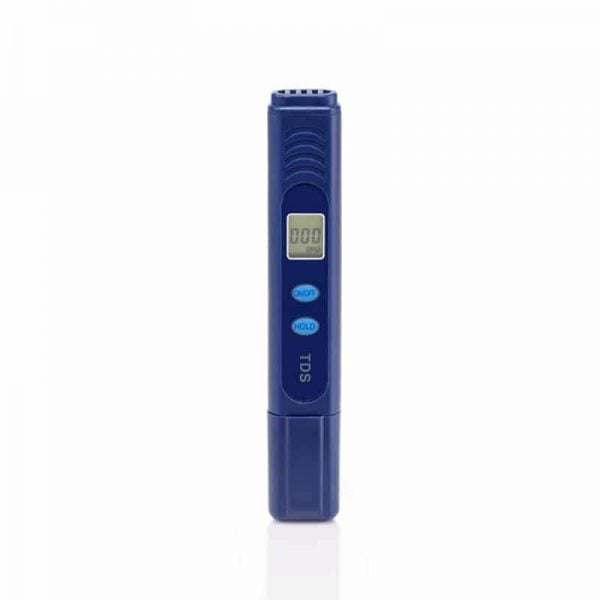
Start by testing your current water to understand its composition. Compare results against SCA standards to identify what needs adjustment. Then implement appropriate treatment methods to bring water into compliance. The difference in your daily cup will be immediately apparent, transforming good home brewing into genuinely exceptional coffee.
Want to achieve SCA water standards at home? Start by testing your tap water with a TDS meter and hardness strips, then explore filtration options or mineral supplements that match your specific water conditions. Your coffee deserves water that meets professional standards.